𝐍𝐄𝐖𝐒 l 𝗨𝗠 𝗖𝗔𝗘 𝗦𝗵𝗼𝘄𝗰𝗮𝘀𝗲𝘀 𝗔𝗰𝗮𝗱𝗲𝗺𝗶𝗰 𝗜𝗻𝗻𝗼𝘃𝗮𝘁𝗶𝗼𝗻 𝗮𝘁 𝗣𝗜𝗖𝗣𝗔 𝗗𝗮𝘃𝗮𝗼 𝗜𝗻𝘁𝗲𝗿𝗻𝗮𝘁𝗶𝗼𝗻𝗮𝗹 𝗖𝗼𝗻𝗳𝗲𝗿𝗲𝗻𝗰𝗲
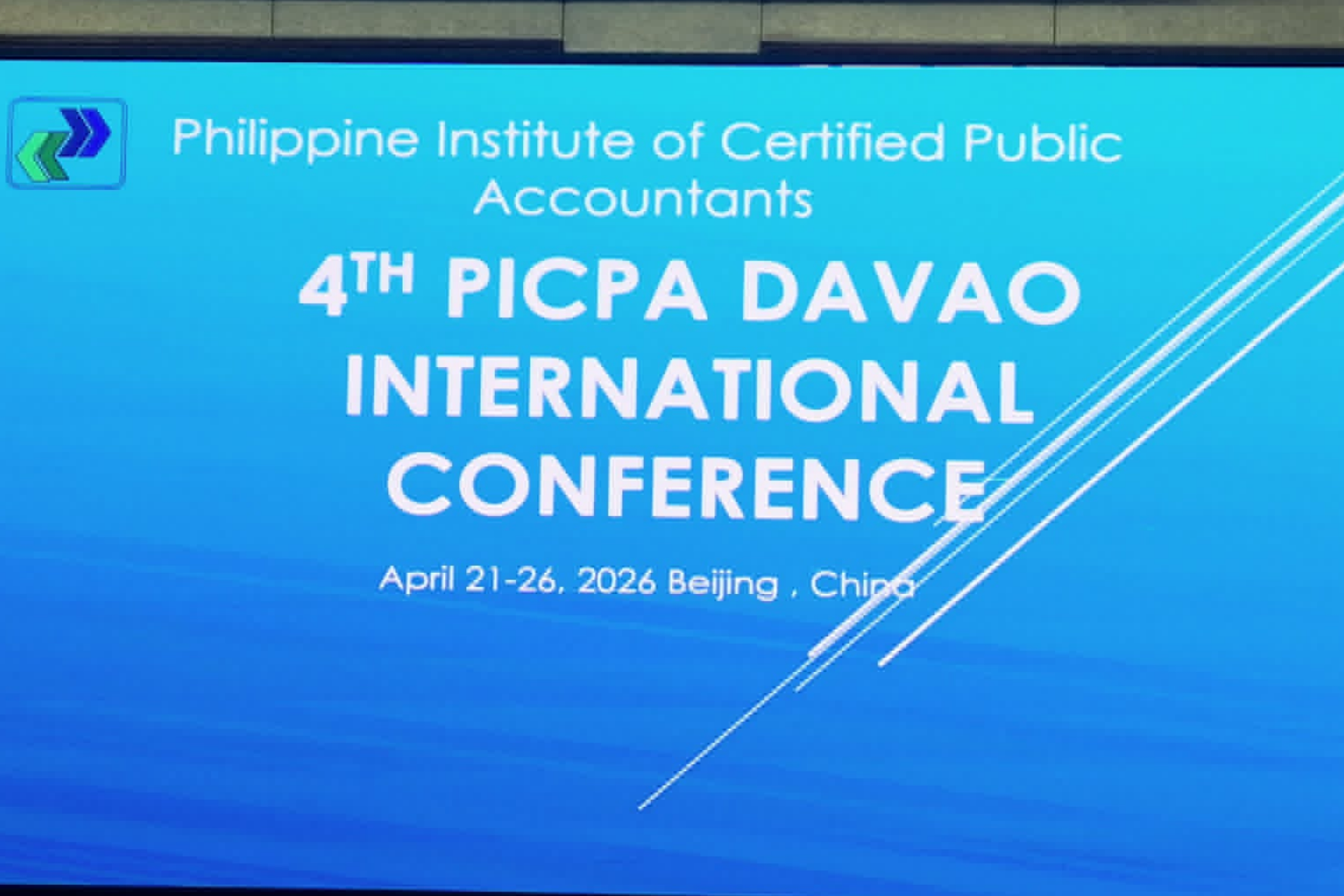
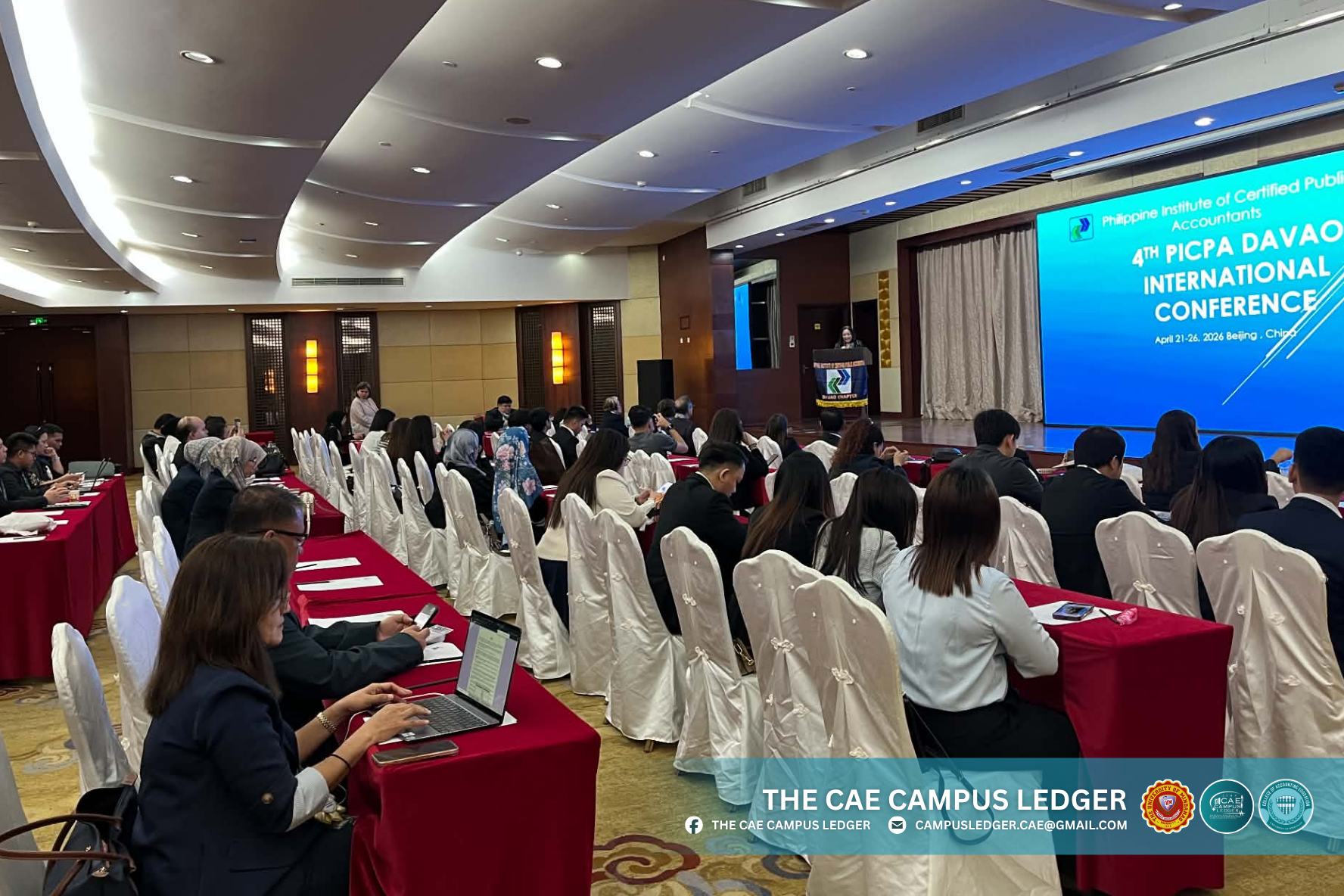
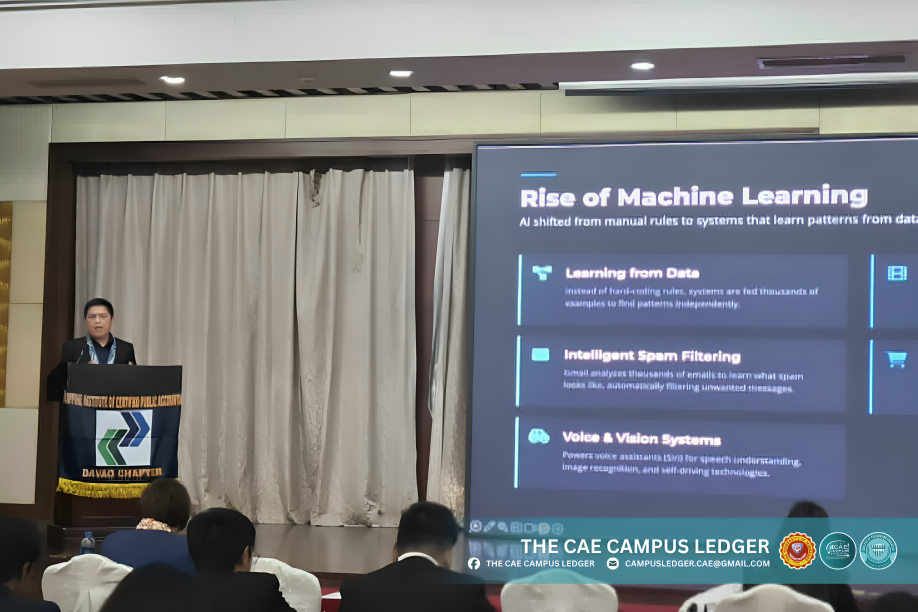
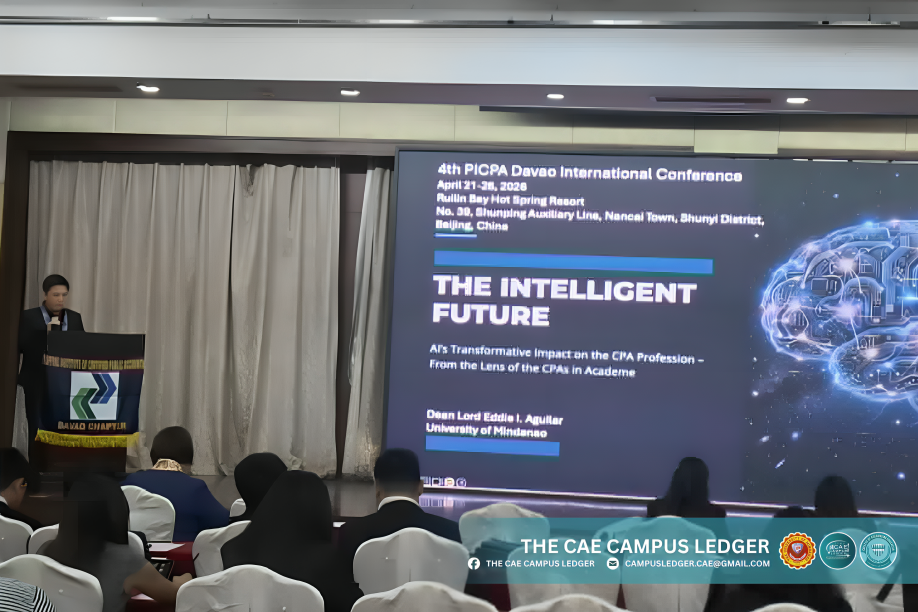
The University of Mindanao College of Accounting Education (UM CAE) Davao delegation actively participated in the 4th PICPA Davao International Conference held from April 21 to 26, 2026, at the Rylinwon Bay Hot Spring Resort in Shunyi District, Beijing, China. The conference gathered accounting professionals, educators, and industry leaders from various regions to foster global collaboration, share best practices, and discuss emerging trends shaping the future of the accountancy profession. The conference was graced by His Excellency Jaime FlorCruz, Philippine Ambassador to China, whose presence underscored the significance of strengthening international ties and promoting Filipino excellence on a global stage. In his message, the ambassador highlighted the vital role of Filipino accountants in contributing to global economic development and emphasized the importance of continuous learning, adaptability, and cross-border cooperation in today’s dynamic professional environment. One of the key highlights of the conference was the participation of Mr. Lord Eddie I. Aguilar, CPA, MBA, Dean of the College of Accounting Education, as a resource speaker on the topic, “The Intelligent Future: AI’s Transformative Impact on the CPA Profession – From the Lens of CPAs in the Academe.” In his presentation, Dean Aguilar examined the emerging challenges posed by artificial intelligence in academic settings and the ways institutions can respond effectively. He emphasized that AI significantly enhances efficiency by automating repetitive tasks such as lesson planning, assessment generation, and administrative functions. Moreover, AI enables faster and more accurate analysis of large datasets, improving both the quality and speed of decision-making. He also highlighted AI’s role in strengthening quality assurance through continuous monitoring and the delivery of personalized academic support for students. Despite these advantages, Dean Aguilar raised critical concerns regarding the use of AI in education. He discussed issues such as information bias and data hallucinations, where AI systems may reflect historical inequalities or generate outputs that appear credible but are actually inaccurate. He also cautioned that excessive reliance on AI may gradually substitute human cognition, potentially weakening students’ independent and critical thinking skills. In addition, he underscored the risks to academic integrity, particularly in terms of false authorship and the growing tendency to prioritize outputs over the authentic learning process. At the conclusion of his presentation, Dean Aguilar stressed that the goal is not to avoid AI, but to engage with it thoughtfully without surrendering critical thinking. He emphasized that AI should function as an extension of human intelligence rather than a replacement for it. While its benefits are undeniable, overdependence on AI may erode the very competencies that education seeks to develop. Ultimately, he underscored that the real challenge lies not only in adopting AI technologies, but in ensuring their responsible and ethical use through continuous and rigorous oversight. Beyond this segment, the conference also served as a platform for meaningful discussions, knowledge-sharing sessions, and collaborative exchanges among participants. Key topics included digital transformation in accounting, the integration of emerging technologies in education, and the evolving demands of the global profession. The event fostered valuable networking opportunities and encouraged cross-border collaboration, reinforcing the importance of innovation and adaptability in the field of accountancy. The participation of the UM CAE delegation in this international conference reflects a strong commitment to advancing the accounting profession through innovation, education, and global engagement. By contributing to discussions on academic excellence and professional development, the delegation continue to position themselves as proactive leaders in shaping the future of accountancy. Aligned with the mission of the United Nations Sustainable Development Goal 4 (Quality Education), the conference reinforced the importance of inclusive, equitable, and forward-looking education systems. It highlighted the role of continuous learning and skills development in producing competent professionals who are not only technically proficient but also globally competitive and socially responsible. ✍🏻 Candice Mae Garcia 💻 Charles Emyrrhson Tabac 𝗣𝗵𝗼𝘁𝗼 𝗖𝗼𝘂𝗿𝘁𝗲𝘀𝘆 📷 𝗖𝗼𝗹𝗹𝗲𝗴𝗲 𝗼𝗳 𝗔𝗰𝗰𝗼𝘂𝗻𝘁𝗶𝗻𝗴 𝗘𝗱𝘂𝗰𝗮𝘁𝗶𝗼𝗻 (𝗖𝗔𝗘)